
Quick Summary
Eating disorders like anorexia and bulimia cause significant oral health damage, including tooth enamel erosion from stomach acid exposure, gum disease from poor nutrition, and increased risk of tooth decay, discoloration, and breakage. Dentists often detect eating disorders first through visible mouth changes such as swollen salivary glands, bleeding gums, chronic dry mouth, and changes in tooth shape and length. To minimize damage, you should rinse with water or baking soda after vomiting instead of brushing immediately, maintain rigorous oral hygiene, and schedule regular dental visits with open communication.
Key Takeaways
- Rinse your mouth with water or baking soda immediately after vomiting and wait at least one hour before brushing to prevent further enamel damage from acid exposure.
- Schedule regular dental exams to monitor oral health changes, as dentists can detect eating disorder complications early through visible signs like enamel erosion and gum inflammation.
- Maintain a rigorous oral hygiene routine by brushing at least twice daily and flossing once daily to reduce the risk of decay, periodontal disease, and mouth sores caused by poor nutrition.
- Communicate openly with your dentist about eating disorder behaviors to receive tailored protective care while maintaining full patient confidentiality protections.
DO YOU OR DOES SOMEONE YOU LOVE have an eating disorder? This week is National Eating Disorders Awareness Week. To help spread awareness about eating disorders and their effect on oral and overall health, share this post with your friends and family who may benefit from it.
Eating disorders are not just for females. Many males suffer from these problems as well. In high school, Dr. Mark’s good friend and fellow wrestler suffered from Bulimia. These problems are real and very frequently have dental complications. Having a good dentist to help protect the teeth is a must!
Be Aware Of The Dental Complications With Eating Disorders
We all know that eating disorders can result in various health complications. You may be surprised to hear, however, that they are often first diagnosed during a dental exam. In fact, changes in the mouth are many times the first physical signs of an eating disorder.
A nutritious diet is crucial for healthy teeth and gums. And as those with anorexia and bulimia are often undernourished, they can experience a number of oral health issues. Poor nutrition can cause sores in the mouth, swollen salivary glands, and periodontal disease. Gums and other soft tissues in the mouth may bleed more easily. People who have eating disorders are also more prone to chronic dry mouth and bad breath.
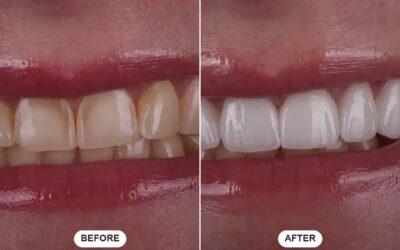
Frequent vomiting can also result in dental problems. Exposure to acid, especially strong stomach acid, on a regular basis, is bad news for teeth. Tooth sensitivity, discoloration, and decay can be the result. Because of the damage to tooth enamel, the shape and length of teeth can also be affected. In addition, teeth may become more brittle and chip or break more easily.
Reduce The Damage To Your Teeth
As you or your loved one seek treatment for an eating disorder, follow these steps to reduce the damage to the oral cavity and teeth in the meantime:
- Continue a rigorous oral hygiene routine–brush your teeth at least twice a day and floss once a day.
- Instead of brushing your teeth immediately after vomiting, rinse your mouth out with water or water with baking soda to neutralize stomach acids. Don’t brush your teeth for at least an hour after purging.
- Be open and honest with your dentist, and see them on a regular basis. Remember your dentist can’t talk to anyone else about your dental/medical record unless given permission to do so. Unless you are a minor then talking to parent with the minor is a must.
We Are Here For You
As your trusted oral healthcare providers, we are here to give advice without passing judgment, and as always, maintain full patient confidentiality. We care about your health and well-being! If you have any questions regarding this blog post, call us or come in today. You can also send us a private message on our Facebook page. For more information and resources to help those you love get the help they need, visit http://nedawareness.org/.