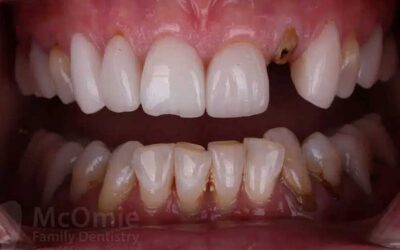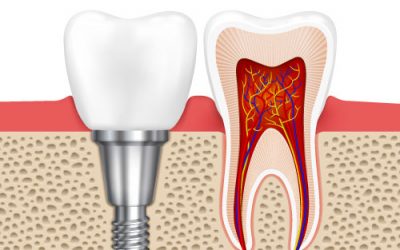

Quick Summary
Veneers can create a dramatic smile improvement by changing tooth color, shape, spacing, and symmetry. Many patients choose veneers after years of normal wear, chips, uneven edges, or discoloration that whitening cannot fix. A small number of veneers, often six on the upper front teeth, can make a big difference when the plan focuses on natural proportions and a shade that fits the face. The best results come from careful preparation, high quality materials, and a bite that protects the veneers long term.
Key Takeaways
- Veneers can improve color, shape, and symmetry in ways whitening and bonding often cannot
- Natural looking veneers depend on conservative planning, realistic shape, and proper shade selection
- Many smile makeovers use only the upper front teeth, often six, to create a noticeable change
- Long term success relies on bite balance, gum health, good hygiene, and protection from grinding
How Veneers Can Change People’s Lives and Smiles Dramatically
A smile carries more meaning than most people realize. It affects how someone shows up in conversations, photos, and everyday interactions. When people feel self conscious about their teeth, it often shows in subtle ways. Smiling less. Covering their mouth when they laugh. Holding back in social settings.
Porcelain veneers are one of the most powerful cosmetic dental treatments because they can address multiple concerns at the same time. Color. Shape. Uneven edges. Small chips. Minor spacing. Even mild alignment issues that make a smile feel unfinished. When veneers are planned carefully, the result looks refreshed and natural rather than artificial.
This is not a procedure reserved for celebrities. Many veneer patients are everyday people who feel that time has simply taken its toll. Teeth wear down. Enamel thins. Stains build up from coffee, tea, or medications. Edges chip. Front teeth lose length and symmetry. Veneers offer a way to restore what was lost while still keeping the smile authentic.
What Veneers Actually Do
A veneer is a thin porcelain shell that bonds to the front surface of a tooth. Once bonded, it becomes the visible surface of that tooth. Porcelain is strong, stain resistant, and capable of mimicking natural tooth translucency and texture.
Veneers can help address:
- Discoloration that does not respond well to whitening, including deep or medication related stains
- Worn or flattened front teeth
- Chips and uneven edges
- Teeth that appear too small, narrow, or irregular
- Gaps between front teeth
- Mild crowding or slight rotations in select cases
- Asymmetry in the smile line
For patients who want a deeper explanation of how veneers work and whether they are the right choice, this overview on what dental veneers are and whether they’re worth it offers helpful background.
Veneers are not always the best solution. Teeth with extensive decay, deep fractures, or structural weakness may require crowns instead. In those cases, understanding the cosmetic and functional benefits of crowns and bridges can help clarify which option better protects the tooth.
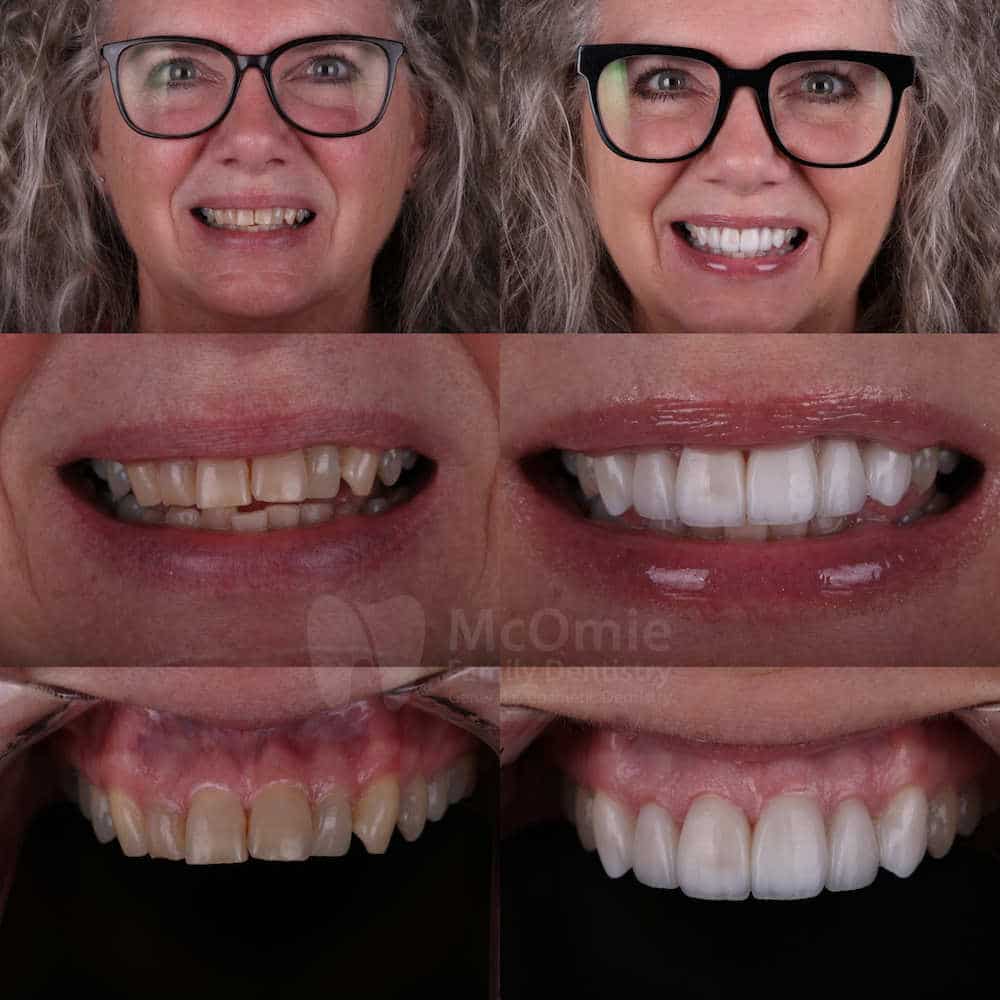
This patient wanted a brighter, more polished smile that still looked natural. With six custom veneers, her front teeth now look more balanced in color, shape, and symmetry, giving her a clean, confident smile.
Why Normal Wear Makes Teeth Look Older Over Time
Many patients assume cosmetic dentistry is only for major damage. In reality, most veneer cases start with gradual changes caused by everyday life.
Over time, teeth can be affected by:
- Chewing forces that flatten the edges
- Grinding or clenching that shortens teeth and creates micro cracks
- Acid exposure from reflux, beverages, or frequent snacking
- Old bonding that stains or chips
- Subtle tooth movement that alters how teeth meet
When front teeth lose length or develop uneven edges, the smile can look tired or aged. A common sentiment patients share is simple: they want their smile to look nice again. Veneers can restore balance and proportion in a way that feels subtle yet impactful.
The Real Result People Want: Brighter, Not Fake
One of the most common concerns about veneers is whether they will look unnatural. This concern is valid. Overly bright, bulky, or uniform veneers can appear artificial.
Natural looking veneers depend on three factors: shade, shape, and surface detail.
Shade
Brighter teeth can still look natural when the shade complements the face. Some patients choose a shade within the whitening range, which can look excellent when done correctly. The goal is brightness with depth, not flat white.
Shape
Natural teeth are not identical. They vary slightly in width, length, and contour. Veneer design should reflect facial proportions, lip movement, and smile dynamics.
Surface detail
Real teeth have texture. Fine surface variations allow light to reflect naturally. High quality porcelain replicates these details so the smile looks believable.
Patients who worry about this often find reassurance in learning whether veneers can look natural or fake and what goes into proper planning.
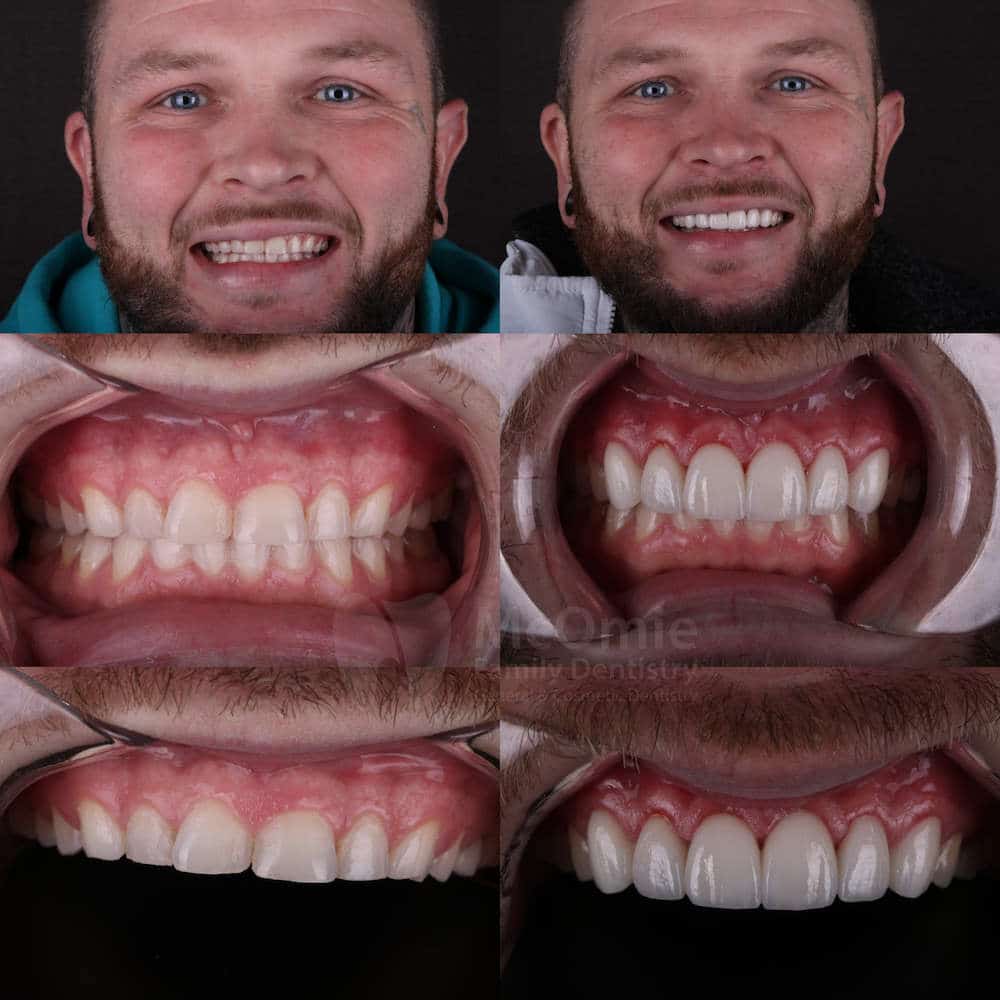
This patient wanted to improve tooth length and color after years of wear. Six custom veneers restored balanced proportions and a natural shade, creating a stronger, more confident smile.
A Common Reason People Choose Veneers
Many veneer transformations start the same way. Someone feels like the years have worn down their front teeth. It is not always a major dental problem. It is normal wear. Edges look uneven, teeth look shorter, the smile feels less bright, and photos start to feel uncomfortable.
In situations like this, improving only the upper front teeth can make a big difference. A plan that focuses on the teeth that show most, often six, can brighten the smile, restore symmetry, smooth worn edges, and create a cleaner smile line that frames the lips better.
- Brighten the entire smile
- Restore symmetry and balance
- Smooth uneven or worn edges
- Improve how the smile fills the lips
Patients often say the change shows up in daily life faster than they expected. They smile without overthinking it. They stop hiding their teeth in pictures. They feel more comfortable speaking, laughing, and showing up in the world.
How Many Veneers Do Most People Need?
The number of veneers depends on what shows when someone smiles and what they want to improve.
Common ranges include:
- Two veneers for one or two teeth that stand out
- Four veneers for the most visible front teeth
- Six veneers for the upper front teeth, which is one of the most common choices
- Eight to ten veneers for wider smiles
Many dramatic results come from six upper veneers because they define the smile zone without treating every tooth.
Veneers vs Whitening vs Bonding
Patients often explore veneers after feeling limited by other cosmetic options.
Whitening can brighten teeth but does not change shape, spacing, or wear patterns. It may also struggle with deep stains.
Bonding is conservative and affordable, but it can stain or chip over time and often requires maintenance.
Veneers provide the most control over color, shape, and symmetry. They are often chosen when patients want a predictable, long lasting cosmetic upgrade.
For those deciding between restorations, the comparison of veneers versus crowns and how to choose can clarify which solution fits best.
What the Veneer Process Looks Like
A successful veneer outcome starts with planning. The process typically includes:
- A consultation to evaluate teeth, bite, and goals
- Smile design using photos and digital scans
- Conservative tooth preparation when needed
- Temporary veneers to preview shape and length
- Final bonding with careful bite adjustment
- Ongoing maintenance and protection
Patients who grind their teeth may benefit from a night guard to protect their veneers and extend longevity.
How Long Do Veneers Last?
Porcelain veneers can last many years when cared for properly. Longevity depends on bite forces, grinding habits, oral hygiene, and material quality.
Avoiding habits like chewing ice, biting nails, or using teeth as tools helps protect veneers. Routine dental care and bite checks are equally important.
Who Is a Good Candidate for Veneers?
Veneers are often ideal for patients with healthy teeth and gums whose concerns are primarily cosmetic. They may not be appropriate when there is active gum disease, severe bite issues, or structurally compromised teeth that need crowns.
Understanding the role of crowns can be helpful, which is why some patients review the essential guide to dental crowns when comparing options.
What Makes Veneers Look Natural Long Term
Patients considering veneers should ask about:
- Shade selection relative to facial features
- Porcelain translucency and texture
- Tooth length and smile line design
- Bite balance and protection
- Avoiding bulky or generic shapes
The goal is a smile that looks like the best version of natural teeth, not identical tiles.
Choosing the Right Provider Matters
Veneers require both artistic judgment and technical precision. Experience, planning, and communication play a major role in achieving results that feel right.
For patients exploring this decision, guidance on choosing the right dentist for veneers in Chattanooga can help set expectations and build confidence.
The Goal Is Confidence, Not Perfection
Veneers are not about chasing perfection. They are about restoring balance, brightness, and confidence in a way that still feels personal. When planned thoughtfully, even a small number of veneers can create a meaningful change that lasts well beyond the dental chair.
Ready to see what veneers could do for your smile? Schedule a consultation with McOmie Family Dentistry to talk through your goals, options, and what a natural looking result would mean for you.